LEBIU means 'lightness' in the Sardinian language and evokes the natural essence of cork- a material at the heart of an upcycling process that transforms waste into a valuable resource.
This is how a new generation bio-based material is born, where tradition is renewed through technology, giving rise to a circular plant-based materials supply chain that reduces environmental impact and creates value from tree to consumer.
LEBIU’s Mission
Waste to wear
In every sheet, panel, or finished product, the following coexist:
the tactile memory of craftsmanship
the precision and replicability of the technology
the unique narrative of a local and traceable supply chain.
This synergy makes it possible to offer not just a functional material, but a story to wear, to touch, to tell. A
cruelty-free raw material that becomes identity.
Lebiu launches Corskin, the first cork-based material made from recycled Sardinian cork.
2021 Lebiu SRL
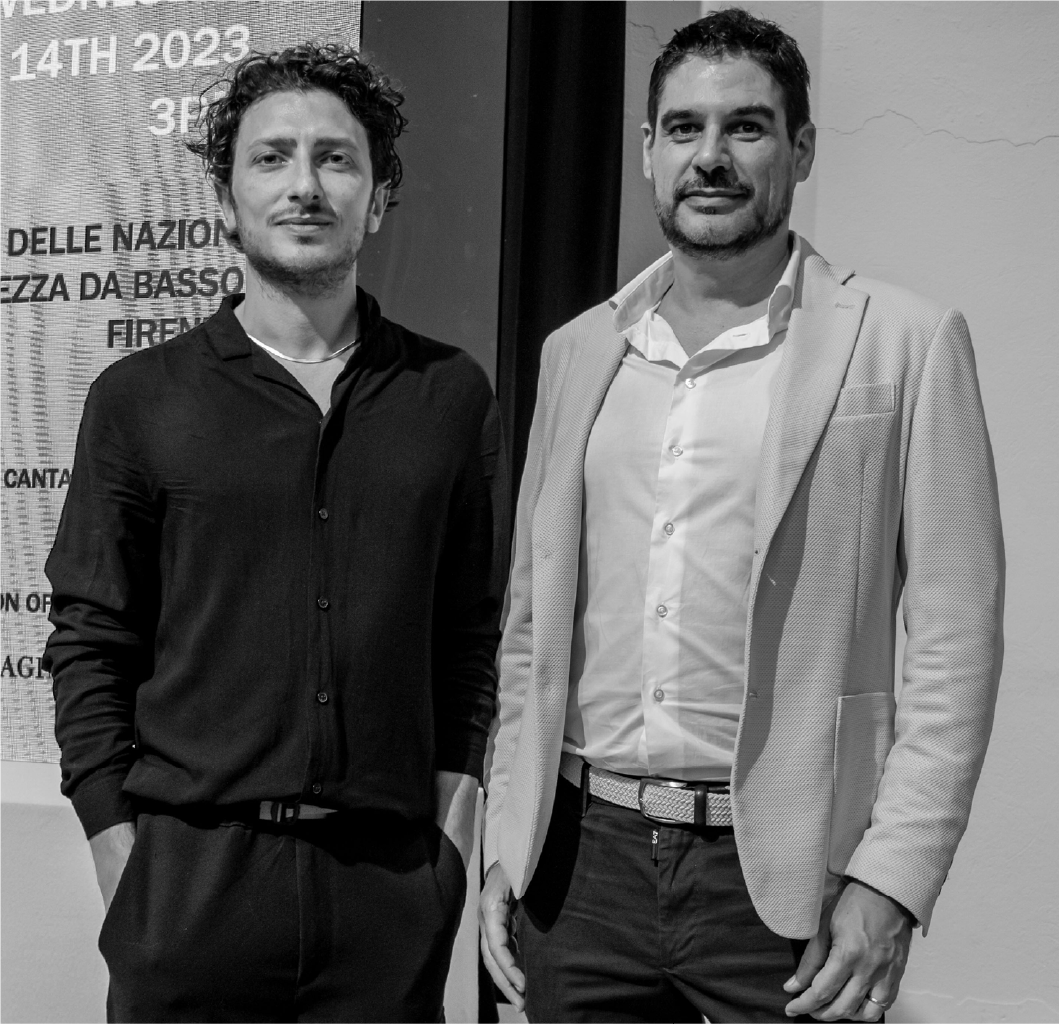
After years of research and development, Leather for Vegetarians becomes CORSKIN™, a product under the LEBIU brand, an innovative start-up that designs next-generation materials based on plant resins and production waste. Alessandro Sestini joins the team as CEO.
2012 Leather for Vegetarian
During his master's degree in Product Innovation, Fabio Molinas began experimenting with new materials using cork powder and natural resins, creating “Leather for Vegetarians”, the first prototype made using a domestic oven and food-grade glues.
2000 The Origins
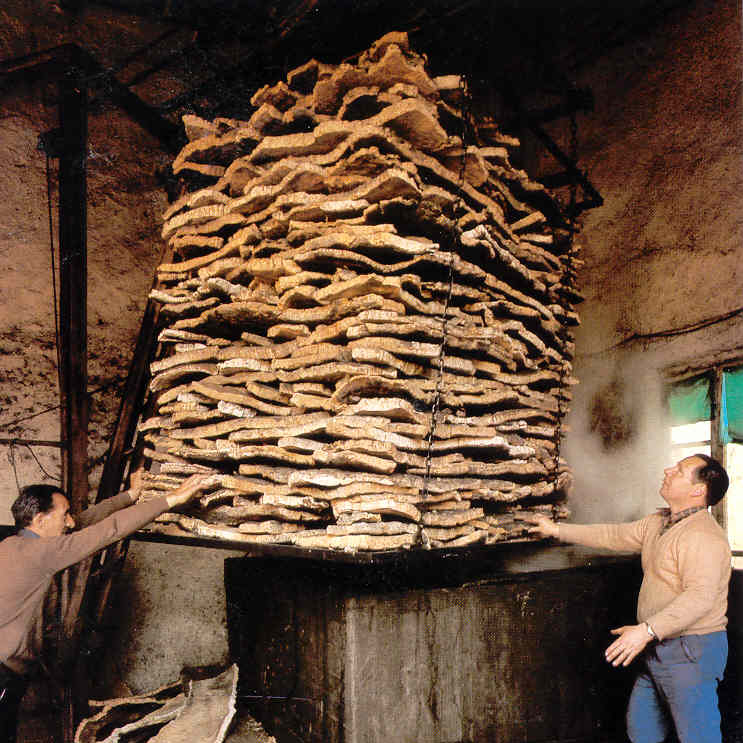
Fabio Molinas occasionally assists his grandfather in his small cork production workshop, where he repurposes cork scraps to create handcrafted artistic pieces - such as sculptures, panels, and home decor items.
Story
2024 Corskin
2021 Lebiu SRL
2012 Leather for Vegetarian
2000 The Origins
"A new material made from pre-consumer cork stopper waste, designed to suit the design industry while reducing environmental impact"
Our values
Carbon neutral: ur production process is low-impact and follows natural rhythms Traceability: from forest to processing, every step is verifiable Ethics: cruelty free, plant-based materials e rispettosi degli esseri viventi
Responsible Innovation: advanced technologies for replicable solutions that are always aligned with environment or sustainability
Environmental Sustainability
Lebiu materials are made using waste from the cork industry in a water-based solution. This process results in a biomaterial with strength comparable to animal leather, offering an alternative aligned with current sustainability standards.
Rural Development
We strongly believe in the local community, supporting cork-working businesses in reinventing themselves and becoming more sustainable.
Cultural Heritage
We believe it is just as important to protect our heritage as it is to protect the environment. The traditional techniques used to craft cork objects, passed down over the years by artisans, have become part of Sardinia’s identity. They convey social values such as inclusion, respect, and the know-how handed down from generation to generation.
Circular Economy
We use what already exists-through upcycling, we transform a discarded resource into a high-quality material, where recycling is a fundamental part of the process.
Environmental Sustainability
Lebiu materials are made using waste from the cork industry in a water-based solution. This process results in a biomaterial with strength comparable to animal leather, offering an alternative aligned with current sustainability standards.
Rural Development
We strongly believe in the local community, supporting cork-working businesses in reinventing themselves and becoming more sustainable.
Cultural Heritage
We believe it is just as important to protect our heritage as it is to protect the environment. The traditional techniques used to craft cork objects, passed down over the years by artisans, have become part of Sardinia’s identity. They convey social values such as inclusion, respect, and the know-how handed down from generation to generation.
Circular Economy
We use what already exists-through upcycling, we transform a discarded resource into a high-quality material, where recycling is a fundamental part of the process.




 English
  Italian